
Lift pump failure (24v, common rail)
Low supply pressure starves the injection pump. On a VP44 truck that is the single most common reason an expensive pump dies years before it should have.
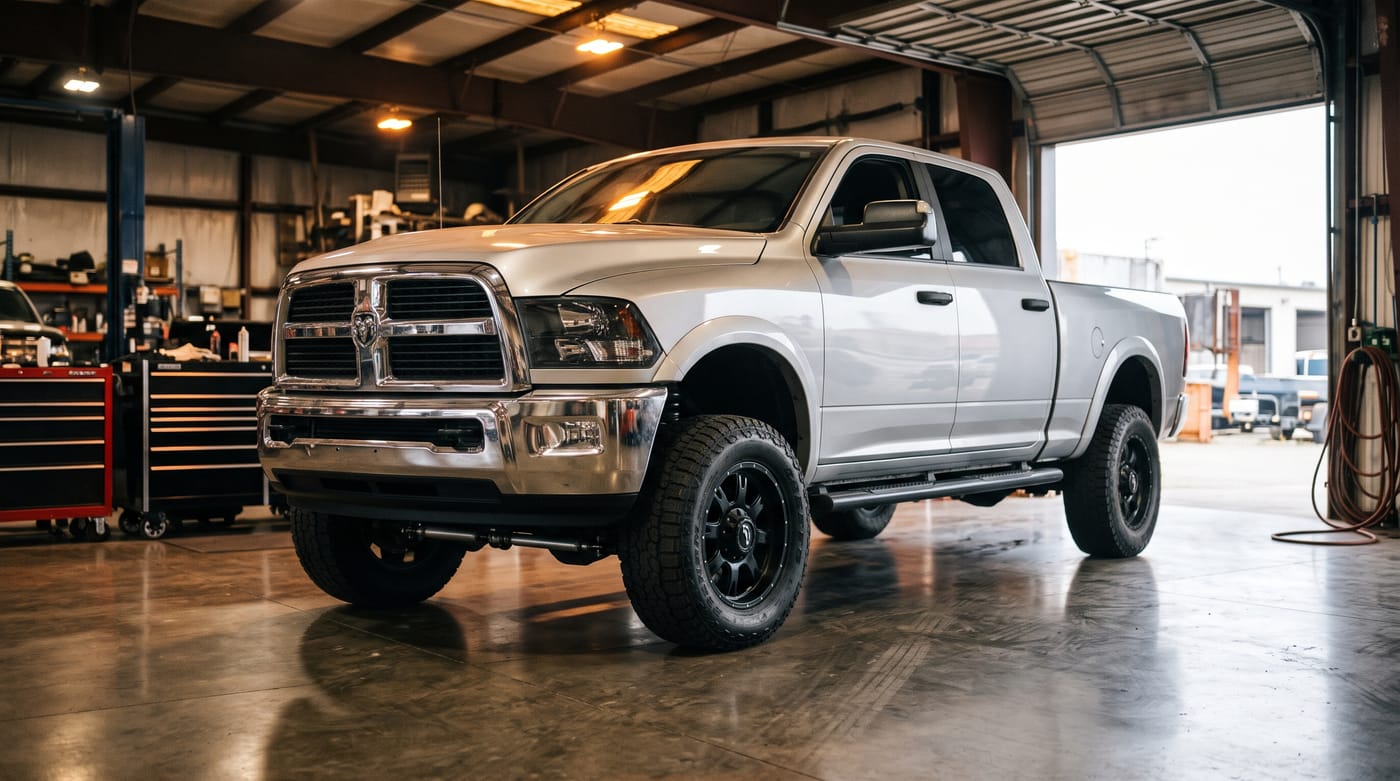
Ram / Dodge · Cummins
5.9 and 6.7. The engine people plan to keep for 400,000 miles, as long as the parts bolted to it get looked after.
Nobody buys one of these for the transmission. The inline six is the draw, and it routinely outlives the parts feeding it. What brings a Cummins into the shop is the supporting cast: lift pumps, injection pumps, turbo actuators, emissions hardware.
Which generation you have changes how all of it gets diagnosed.
Mechanical and stubborn, in a good way. P7100 work, the killer dowel pin, front-end parts.
The VP44 era. Watch lift pump pressure or buy a pump.
Plenty of people call this the sweet spot of the whole run. Injectors, lift pumps, and whatever the 48RE behind it is doing this week.
More power, and a full emissions system to go with it. EGR clogging, turbo actuators, grid heater bolts, CP4 pumps.
These are the jobs this platform comes in for. If your symptoms line up with one of them, say so when you call. It saves diagnostic time, which saves you money.
Low supply pressure starves the injection pump. On a VP44 truck that is the single most common reason an expensive pump dies years before it should have.
The bolt backs out and drops into the intake. What happens next ends engines. Preventable in an afternoon.
Soot packs the cooler and the intake until the engine cannot breathe. You feel it as low power and regens that never end.
Sticking VGT vanes and failed actuators cause overboost and underboost codes, and a truck that drives like it is dragging an anchor.
Hard starts, knock, white smoke, fuel showing up in the oil. Balance rates and return testing find the bad one, so you buy one injector instead of six.
47RE, 48RE, 68RFE. Each has a limit, and adding power without touching the transmission is the fastest way to find out where that limit sits.
Fuel supply and heat are what shorten these engines. Both are manageable, and neither one costs much to stay ahead of.
Each one covers the symptoms, what is actually failing, and how it gets fixed.
Tell me the year, the miles and what it's doing. You hear back the next business day.
Sent